GAIA's Story
Georgian Artificial Intelligence Association (GAIA) is a non-profit association of artificial intelligence professionals and enthusiasts, founded in December 2023.
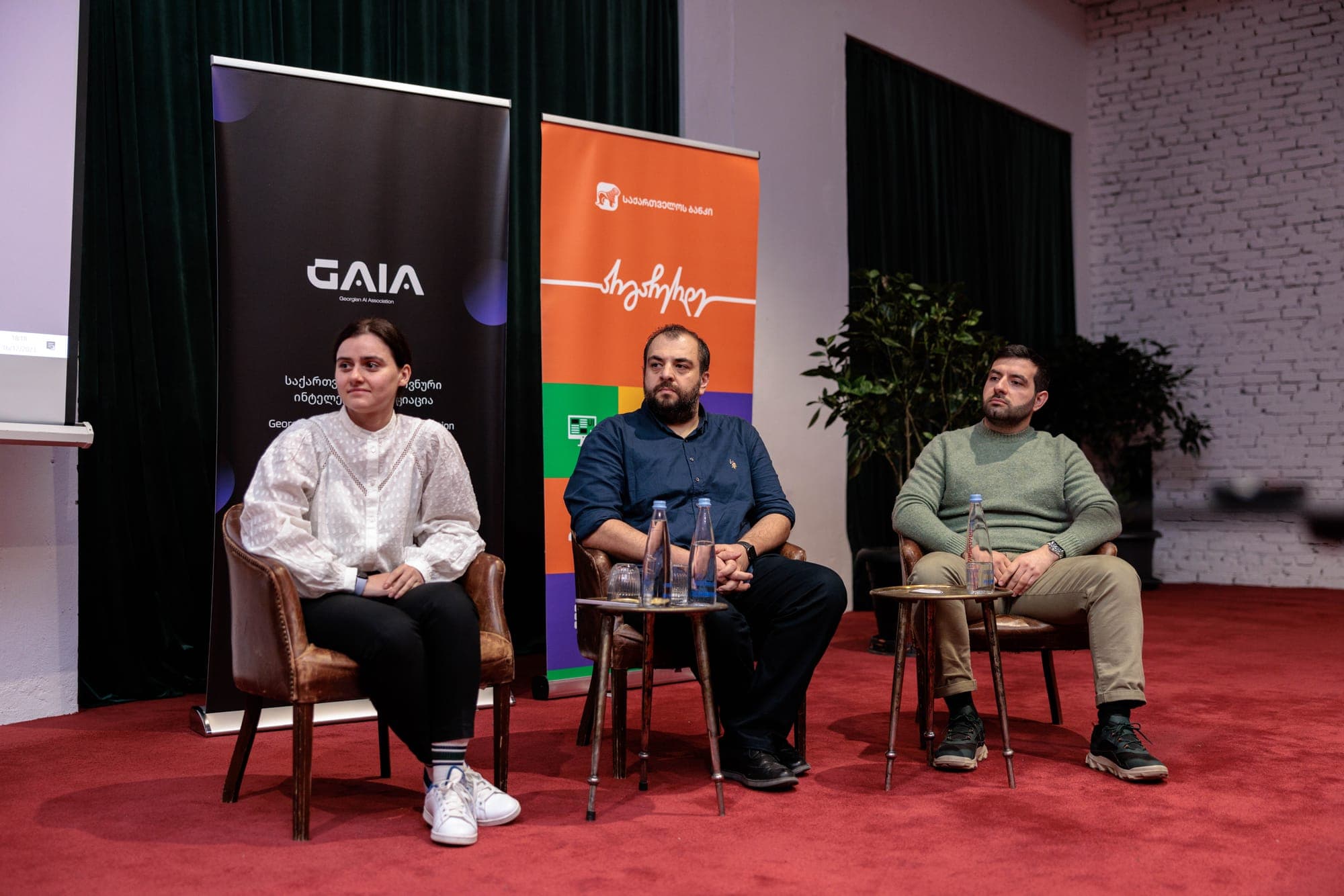
Who We Are
GAIA's mission is to accelerate Georgia's economic development by promoting the best use of AI by society and business.
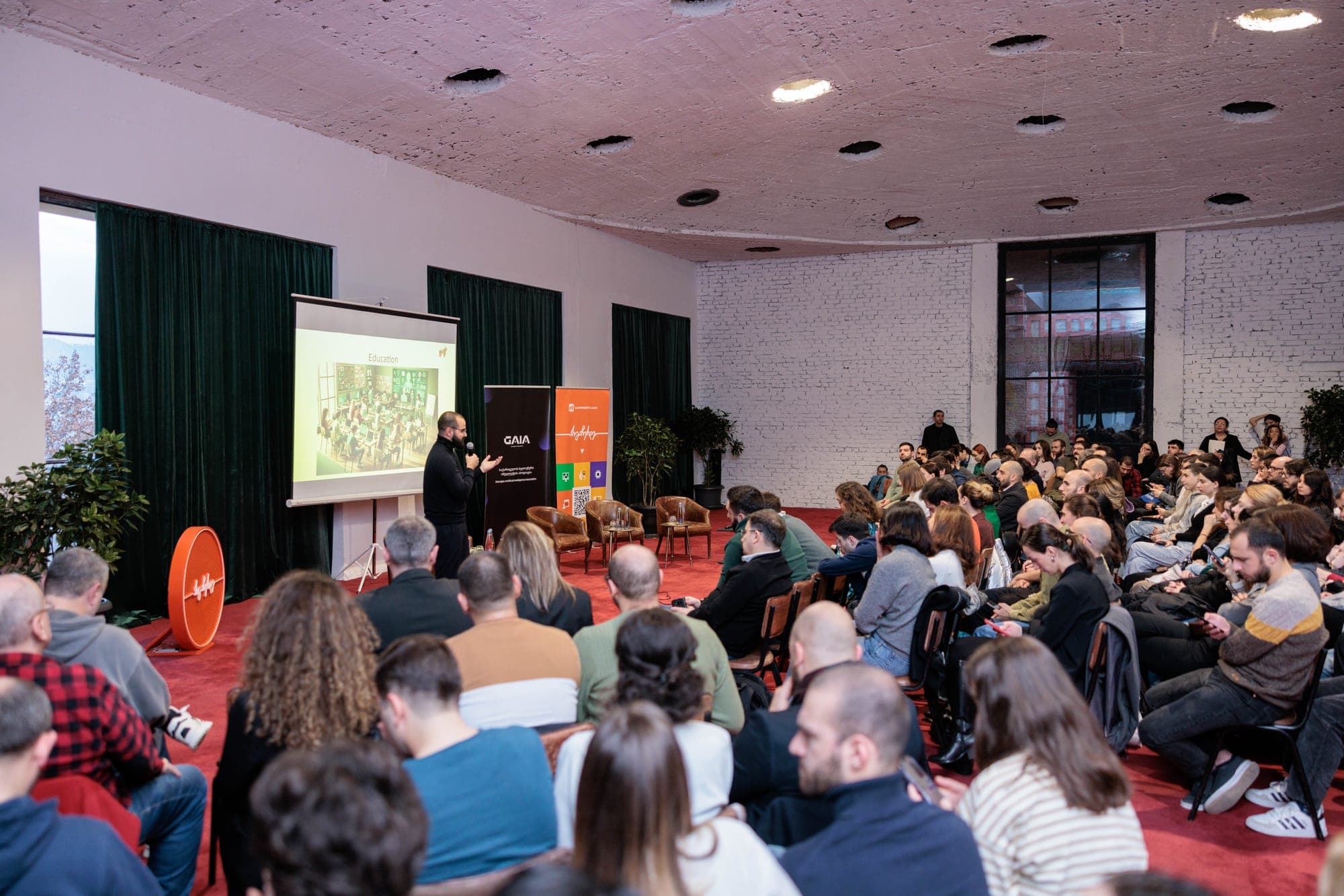
The association works to spread education about artificial intelligence and supports the academic, private, and public sectors in the introduction and development of AI technologies.
The main goal is the development of artificial intelligence in Georgia. GAIA is a long-term initiative that will bring together different types of projects and stakeholders.
Association members include leading data science and artificial intelligence professionals, representatives from the private sector, and people interested in artificial intelligence and data science.
GAIA in numbers
- 2023Year founded
- 41Member organisations
- 30People on the GAIA team
- 3Working directions
3 Goals - 3 Working Directions

Knowledge-sharing, Awareness Raising and Advocacy (KSARA)
Knowledge sharing, awareness raising, and lobbying to enable the best use of AI by everyone
This direction covers:
- Raise public awareness and share knowledge with diverse groups
- Cooperate with schools and universities
- Lobby for legislative and state policy changes

Business Adoption and Support (BAS)
Embracing AI in business and supporting business leaders to increase profitability and create more good Georgian AI startups
This direction covers:
- Support the private sector in adopting artificial intelligence through consulting and educational services
- Support startups in finding financing and connections

Georgian AI Development Initiatives (GAIDI)
Georgian AI development initiatives aimed at fostering AI talent to develop Georgian AI and AI in Georgia
This direction covers:
- Support in professional development by sharing knowledge and strengthening international connections
- Initiate joint projects, research and data collection
- Support development of Georgian language models